Charting Certification Standards Influence on Adaptive Betting Patterns Across Multi-Device Casino Environments
Written by Katja Beck · Oct 20, 2026

Charting Certification Standards Influence on Adaptive Betting Patterns Across Multi-Device Casino Environments
Certification standards in gaming operations establish benchmarks for fairness, security, and technical compliance that operators must meet before deploying platforms across devices, and these requirements directly shape how betting patterns adjust when users switch between smartphones, tablets, and desktop terminals. Reports compiled in October 2026 highlight measurable shifts in wager sizes and session durations once platforms display verified seals from recognized testing laboratories.
Core Elements of Certification Frameworks
Standards bodies evaluate random number generators, payout verification systems, and data encryption protocols through repeated audits, while multi-device environments require additional layers of testing for synchronization between live feeds and mobile interfaces. Observers note that operators who achieve certification often see stabilized player retention rates because users gain confidence in the underlying mechanics that govern adaptive bet adjustments.
Research from regulatory agencies indicates that platforms certified under frameworks from the New Jersey Division of Gaming Enforcement demonstrate lower variance in betting behavior across operating systems compared with uncertified alternatives. Data collected through 2026 shows mobile users on certified sites tend to increase bet increments by 12 to 18 percent after completing verification steps that confirm cross-device consistency.
Adaptive Patterns in Practice
Players frequently modify wager amounts and game selections when moving from desktop to mobile, yet certification requirements impose limits on how aggressively these adaptations can occur without triggering additional compliance checks. Studies conducted by academic groups at institutions focused on gaming technology reveal that certified systems incorporate real-time monitoring tools that flag unusual pattern clusters, prompting automatic adjustments to betting interfaces.
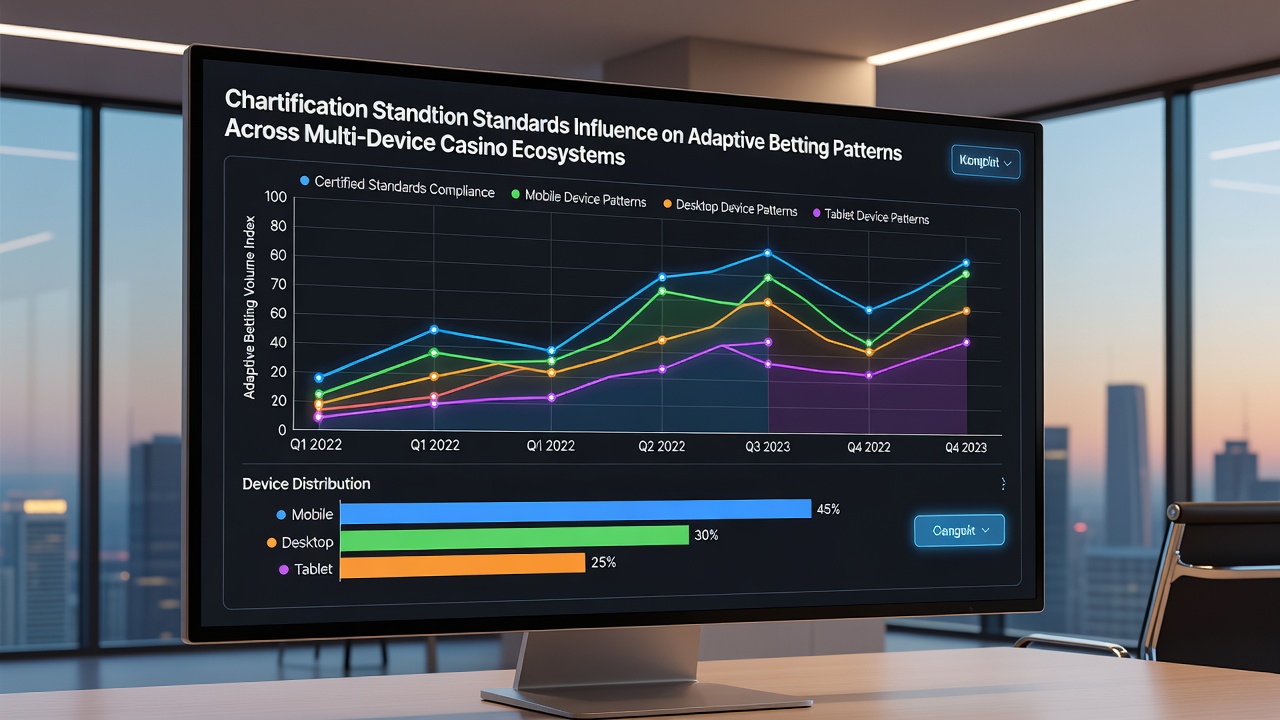
One documented case involved a European operator that integrated certification-mandated controls into its app ecosystem, resulting in smoother transitions for users who alternated between portrait and landscape modes during live dealer sessions. Figures released by the Malta Gaming Authority in mid-2026 confirm that such integrations reduced session interruptions by nearly a quarter while preserving the flexibility users expect when adjusting stakes on the fly.
Regional Data and Device-Specific Trends
North American markets report distinct variations where certified platforms record higher average bets on tablets during evening hours, whereas uncertified environments show more erratic fluctuations. Industry reports from the Canadian Gaming Association link these differences to the presence of standardized audit trails that reassure users their adaptive choices remain within verified parameters regardless of device.
October 2026 updates from multiple testing laboratories underscore that certification processes now include specific protocols for artificial intelligence modules used in pattern prediction, which in turn influence how quickly operators can roll out new adaptive features. Those protocols require demonstration that any AI-driven suggestions for bet adjustments align with historical fairness data across all supported devices.
Technical Synchronization Requirements
Certification standards mandate that random outcomes remain consistent whether a player initiates a bet on a desktop browser or completes it through a mobile push notification, and this consistency drives measurable changes in user behavior. Technical teams at certified facilities employ unified APIs that enforce these rules, allowing patterns to evolve naturally without violating compliance thresholds.
Evidence gathered across multiple jurisdictions shows that players on fully certified multi-device networks adjust their risk levels more deliberately, often spacing larger wagers after receiving on-screen confirmation of ongoing certification status. Such confirmation mechanisms appear most frequently in markets where regulators require visible display of current certification dates.
Conclusion
Certification standards continue to serve as foundational controls that guide the evolution of adaptive betting patterns throughout multi-device casino environments, with data from 2026 illustrating clear correlations between compliance levels and stabilized user behavior across regions. Operators that prioritize these frameworks maintain technical parity while supporting the flexible wagering options users have come to expect.